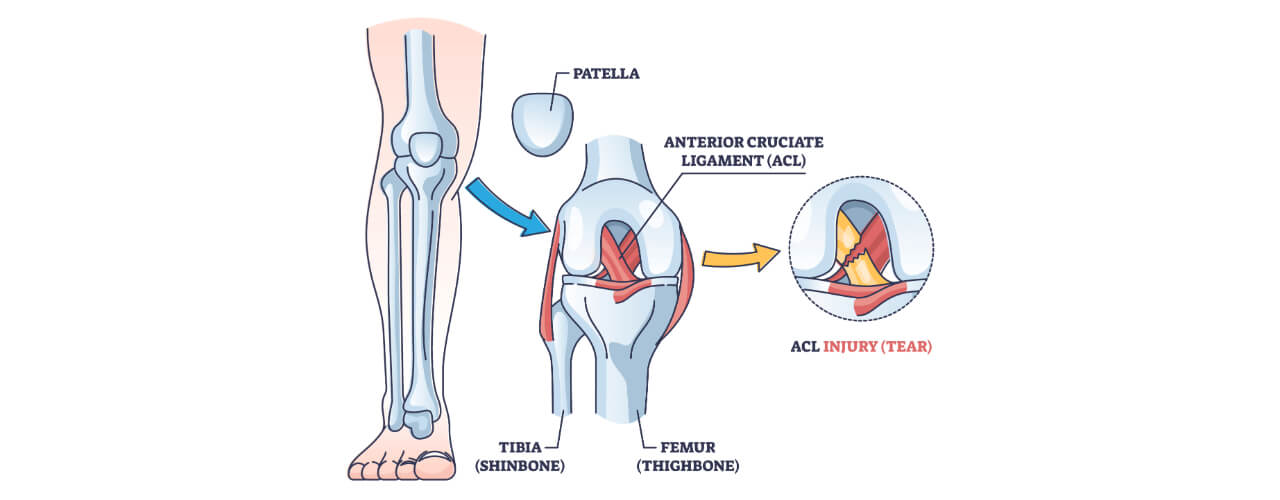

An ACL injury can feel like a daunting setback for athletes and active individuals. It often requires months of rehabilitation to regain strength, mobility, and confidence. The journey is rewarding but not without challenges. Physical therapy plays a crucial role in addressing these hurdles, guiding patients step-by-step toward a successful recovery. For Tyler (not his real name), a soccer player, overcoming ACL reconstruction rehab challenges was a transformative process that restored his physical abilities and deepened his resilience.
Step-by-Step Approach to ACL Rehab
After his surgery, Tyler faced ACL reconstruction rehab challenges including immediate and intense swelling around his knee. The pain limited his ability to bend or straighten his leg, which was a significant barrier to starting rehabilitation. Addressing pain and swelling early on is critical for restoring range of motion, which forms the foundation of recovery.
Pain and Swelling: Regaining Range of Motion
At Langford Sports and Physical Therapy, Tyler’s physical therapist used a combination of techniques to help him regain motion safely:
Gentle Manual Therapy:
- Hands-on techniques helped reduce stiffness and improve joint mobility. This approach gradually restored movement while minimizing discomfort.
Ice Therapy:
- Tyler learned to apply ice after therapy sessions and exercises to reduce pain and promote comfort during the recovery process.
Gradual Stretching:
- Under the therapist’s guidance, Tyler performed controlled stretches to improve knee mobility and encourage proper alignment.
These methods enabled Tyler to move from struggling with basic movements to achieving nearly full range of motion within the first few weeks. This crucial progress set the stage for the next phase of his recovery.
Rebuilding Strength
Restoring strength after ACL surgery is a gradual, systematic process. The muscles surrounding the knee—such as the quadriceps and hamstrings—often weaken after injury and surgery due to disuse and swelling. Tyler’s physical therapist designed a tailored program to rebuild his strength without compromising the healing graft.
The process began with simple, isolated exercises focused on activating key muscles. Tyler’s therapist emphasized proper technique to ensure his movements were effective and safe. Over time, his exercises progressed to include:
Weight-Bearing Activities:
- These exercises helped reintroduce functional strength while improving balance and stability.
Functional Movements:
- As Tyler’s strength improved, he incorporated sport-specific drills to prepare for the demands of soccer.
Dynamic Training:
- Eventually, his therapy included cutting and pivoting movements, essential for returning to high-intensity play.
This step-by-step progression ensured Tyler’s knee could handle increasing loads while reducing the risk of re-injury. Each milestone brought him closer to his goal of returning to the soccer field.
Physiological Healing: Allowing the Graft to Mature
While Tyler’s progress with strength and mobility was encouraging, the biological healing of the ACL graft required patience. After surgery, the new graft undergoes a process of revascularization and maturation. This means the body slowly integrates the graft into the surrounding tissues, allowing it to function as a natural ligament.
Tyler’s physical therapist provided clear guidelines to ensure his activity levels aligned with the graft’s healing timeline. Overloading the graft too soon could jeopardize his recovery. By following his therapist’s recommendations, Tyler allowed his knee to heal properly while still making steady progress.
The typical timeline for a full recovery and return to competitive sports after ACL reconstruction is 9 to 12 months. While Tyler felt ready to play sooner, his therapist emphasized the importance of waiting until the graft was fully mature and his strength and movement patterns were optimized. This approach ensured Tyler’s return to soccer was safe and sustainable.
Find Support for ACL Rehab at Langford Sports and Physical Therapy
Rehabilitation after ACL surgery can be challenging, but with expert guidance, it’s possible to overcome obstacles and achieve a full recovery. Addressing ACL reconstruction rehab challenges requires careful planning, progressive strengthening, and a commitment to long-term healing. At Langford Sports and Physical Therapy, our team of physical therapy professionals designs personalized programs to help patients regain mobility, strength, and confidence. Contact us today to schedule an evaluation and take the first step toward reclaiming your active lifestyle!