
Scheduled for a total hip replacement? This surgery can make an enormous difference in the quality of life of someone living with arthritis or other painful conditions–but it’s still essential to take the time to rehabilitate properly! Because we’ve found that many people don’t fully understand the post-surgical process, the Langford Sports and Physical Therapy team has taken the time to answer some common hip replacement rehab FAQs.
We hope these hip replacement FAQs help you understand more about the role of physical therapy in hip replacement recovery. If you don’t see your question answered–or if you want more personalized guidance–schedule an appointment at our Albuquerque, NM clinics today!
Hip Replacement Rehab FAQs Part 1: The Basics
What is Hip Replacement Surgery?
A hip replacement surgery, also known as hip arthroplasty, involves replacing a damaged or worn-out hip joint with an artificial joint, called a prosthesis. The surgery is typically performed to relieve chronic pain and improve mobility caused by osteoarthritis, rheumatoid arthritis, or hip fractures.
The procedure aims to restore function and allow patients to return to daily activities with less pain and better joint stability.
Do I Need Physical Therapy After Hip Replacement Surgery?
Yes, physical therapy is vital to your recovery after hip replacement surgery. While the procedure addresses the structural damage to the joint, rehabilitation ensures the surrounding muscles, ligaments, and soft tissues regain strength and function, helping you improve your hip’s mobility, strength, and function.
Hip Replacement Rehab FAQs Part 2: What To Expect
How Long Does Rehabilitation Take?
Rehabilitation times can vary depending on factors like age, overall health, and the complexity of the surgery. Most patients return to normal activities within 6–12 weeks, although a full rehabilitation typically takes 6-12 months.
Physical therapy helps facilitate recovery by improving strength and mobility while minimizing complications.
What’s the Timeline for Hip Replacement Rehabilitation?
Rehabilitation after hip replacement surgery is a progressive process. Our therapists will increase the intensity of your program as you improve. Here’s what that generally looks like:
Early Stage (1–4 weeks)
- Pain management
- Targeted range-of-motion exercises
- Safe walking with assistance (e.g., crutches or a walker)
- Begin strengthening the hip
Mid Stage (4–12 weeks)
- More intensive strengthening exercises, including weight-bearing exercises
- Balance and gait training to reduce fall risk
- Other functional movement training (e.g., climbing stairs)
Late stage (12+ weeks)
- Advanced exercises tailored to your lifestyle (such as sport-specific training)
- Exercises to restore full mobility and strength
What Exercises Are Typically Included in Rehabilitation?
We select rehabilitation exercises to improve mobility, balance, and strength. While we tailor your program to meet your specific needs, here are some of the exercises typical to a hip replacement rehab program:
Ankle Pumps
- Improve circulation and prevent blood clots.
Heel Slides
- Promote a gentle range of motion in the hip.
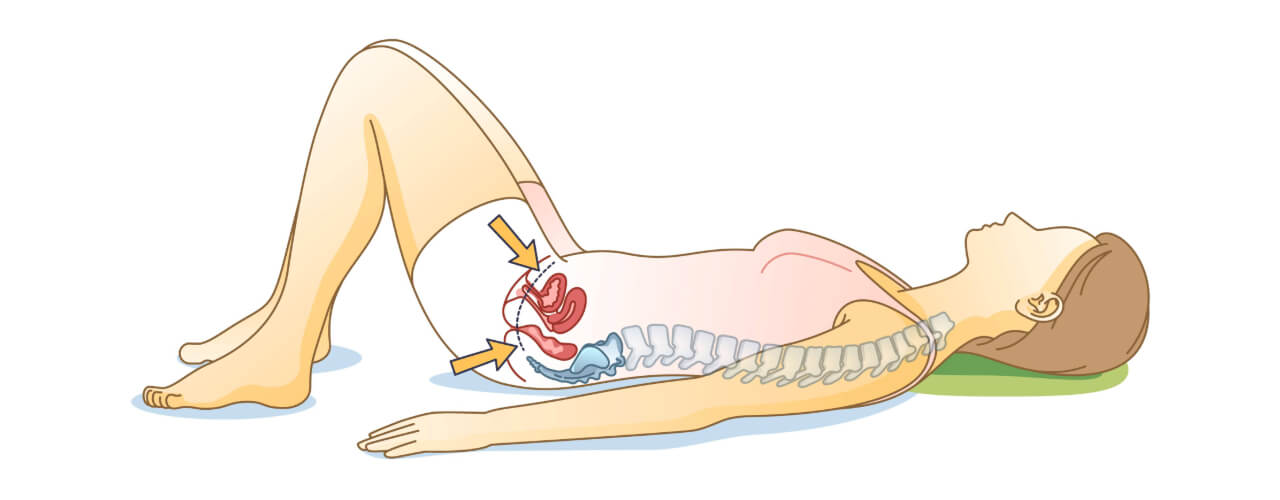
Bridges
- Strengthen the gluteal muscles.
Step-Ups
- Build lower-body strength to help with weight-bearing movements.
Hip Replacement Rehab FAQs Part 3: Getting Started
When Should I Talk to a Physical Therapist About Hip Replacement Rehab?
It’s never too early to involve a physical therapist in your hip replacement journey. Ideally, you should consult with us before surgery to discuss prehabilitation (pre-hab) exercises. Pre-hab helps prepare your hip for surgery, giving you a leg up on your post-surgical rehab.
Meeting with us before your procedure also ensures you’re on schedule to begin rehab as soon as possible, which is typically 2-3 days after surgery. However, even if it’s been a few weeks or months since your procedure, it’s still beneficial to reach out! We can assess your progress, address lingering issues like pain or weakness, and help you regain confidence in your movements.
Why Choose Langford Sports and Physical Therapy for Hip Replacement Rehabilitation?
We have extensive experience providing personalized rehabilitation plans tailored to your recovery goals. Our team will guide you through each stage of the rehab process, helping you maximize the benefits of your procedure.
Ready to Start Your Recovery Journey?
We hope these hip replacement rehab FAQs have helped you better understand what’s involved in post-surgical rehabilitation. Contact our Albuquerque, NM clinics today to get started!