

Targeted, Supportive Care for TMJ Dysfunction
If you are searching for treatment for TMJ dysfunction in Albuquerque, NM and Los Ranchos de Albuquerque, NM, you may be dealing with jaw pain, clicking, or difficulty chewing. TMJ dysfunction affects the temporomandibular joint, which connects your jaw to your skull and allows you to speak, chew, and yawn. Many individuals seeking care for TMJ dysfunction want to eat comfortably, reduce headaches, and open their mouth without discomfort. At Langford Sports and Physical Therapy, our physical therapist provides individualized care for TMJ dysfunction, with a focus on improving jaw mobility, reducing muscle tension, and restoring coordinated movement.
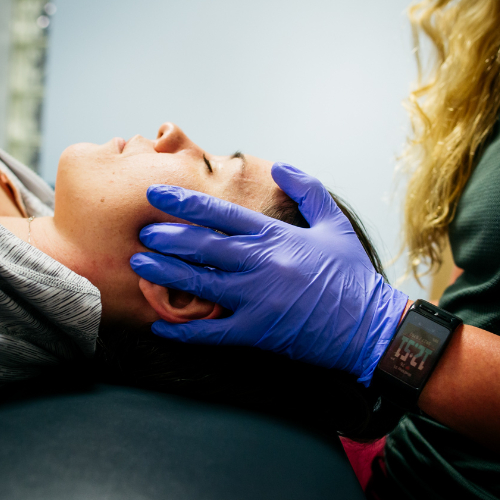
When Jaw Pain Disrupts Daily Life
The jaw works closely with the neck, shoulders, and facial muscles. When the joint or surrounding muscles become irritated, symptoms can affect more than just chewing. You may notice discomfort while talking for long periods, yawning, or eating certain foods. Some individuals experience tension headaches or neck stiffness along with jaw symptoms.
Patients managing TMJ dysfunction often describe frustration with limited mouth opening, clicking sounds, or facial soreness. Many people avoid certain foods or social situations because chewing feels uncomfortable. Our team focuses on identifying how joint mechanics, posture, and muscle tension contribute to your symptoms.
Why Early Attention Supports Better Function
Jaw discomfort may worsen when underlying muscle imbalance or joint restriction remains unaddressed. Avoiding movement can sometimes increase stiffness. Early evaluation by our physical therapist helps determine whether the primary issue involves muscle tension, joint mobility, posture, or movement coordination.
Common contributors to TMJ dysfunction include:
- Teeth grinding or clenching
- Poor posture, especially forward head position
- Stress-related muscle tension
- Previous jaw injury
- Arthritis in the jaw joint
- Prolonged dental procedures
A structured plan for TMJ dysfunction supports improved jaw mechanics and reduced strain during daily activities.
Common Symptoms of TMJ Dysfunction
Symptoms can vary in severity and frequency. Patients frequently report:
- Jaw pain or tenderness
- Clicking or popping with movement
- Difficulty opening the mouth fully
- Pain while chewing
- Facial muscle tightness
- Headaches near the temples
- Ear discomfort without infection
- Neck stiffness
Our physical therapist evaluates these concerns and explains how jaw alignment, muscle strength, and posture influence symptoms.
A Coordinated Plan to Restore Comfortable Jaw Movement
Care at Langford Sports and Physical Therapy begins with a detailed evaluation. Our physical therapist reviews your medical and dental history, assesses jaw range of motion, and examines posture and neck mobility. Together, you will set measurable goals such as eating certain foods comfortably, reducing headaches, or making it easier to open your mouth.
Treatment progresses gradually. Early sessions may focus on reducing muscle tension and improving gentle mobility. As control improves, strengthening and coordination exercises help support long term stability. A home program reinforces gains between visits. Our physical therapist reassesses regularly and adjusts the plan based on your response.
Patients managing TMJ dysfunction benefit from individualized care that addresses both the jaw and related structures.
Common physical therapy strategies include:
- Manual therapy techniques, which can improve joint mobility
- Soft tissue treatment, which reduces muscle tension
- Jaw mobility exercises, which enhance range of motion
- Postural retraining, which decreases strain on the jaw
- Relaxation and breathing techniques, which reduce clenching patterns
- Strengthening exercises, which support coordinated jaw movement
Each approach focuses on restoring comfortable function in daily life.
Care Built on Clear Communication and Collaboration
Patients who choose Langford Sports and Physical Therapy for TMJ dysfunction can expect attentive listening and thoughtful guidance. Our physical therapist explains findings in clear language and collaborates with you to create a realistic treatment plan. We track measurable improvements in jaw motion and symptom frequency to guide progression.
Our clinic emphasizes:
- Individualized treatment planning
- Evidence-informed clinical decisions
- Respectful and supportive communication
- Ongoing reassessment
- Focus on self management strategies
We aim to help you feel confident in managing symptoms and returning to normal routines.
What to Expect During Physical Therapy at Langford Sports and Physical Therapy
Your first visit will include a comprehensive evaluation of jaw movement, muscle tension, and posture. Our physical therapist will discuss symptom patterns and outline a structured plan of care. You will receive education about jaw mechanics and home strategies to support recovery.
Follow up sessions typically include guided exercises, manual techniques, and progressive retraining. Visit frequency depends on your symptoms and response to care. Our physical therapist adjusts your program as mobility and comfort improve.
This organized and patient-centered approach supports steady improvement for TMJ dysfunction while prioritizing function and long term joint health.
Take a Step Toward More Comfortable Jaw Movement
Jaw pain and clicking can interfere with eating, speaking, and daily comfort. A thorough evaluation and structured treatment plan can support improved mobility and reduced tension. Contact Langford Sports and Physical Therapy to schedule an assessment and learn more about care for TMJ dysfunction in Albuquerque, NM or Los Ranchos de Albuquerque, NM. Our team is ready to answer your questions and guide you with clear, individualized support.